
Views: 0 Author: Site Editor Publish Time: 2026-07-21 Origin: Site


A pallet may look stable, but weak film can fail during storage, loading, or transport. That is why many factories use machine grade stretch film instead of basic hand film. A stretch film rewinding machine also affects roll quality, because poor winding can cause film breaks. In this article, you will learn what it is, how it works, and how to choose it.
Machine grade stretch film is made for semi-automatic and automatic pallet wrapping equipment.
It is different from hand film because it needs stable unwind, roll strength, tension control, and machine compatibility.
Good machine stretch film helps secure pallets, reduce product movement, and improve packaging speed.
A stretch film rewinding machine can affect finished roll quality, especially winding tension, roll tightness, and edge condition.
Important specifications include film thickness, roll width, roll length, puncture resistance, cling level, and pre-stretch performance.
The right machine grade stretch wrap should match your load type, machine speed, pallet weight, and storage or shipping conditions.
Machine grade stretch film is a stretchable plastic film designed for pallet wrapping machines. It is usually supplied in large rolls and used on semi-automatic or automatic wrapping equipment. Its main job is simple: hold products together on a pallet during handling, storage, and transportation.
A clear machine grade stretch film definition should include three points. First, it is made for machine use. Second, it stretches around a pallet under controlled tension. Third, it must unwind smoothly while the wrapping machine runs at a steady speed.
This type of industrial stretch film is common in warehouses, factories, logistics centers, and export packing lines. It helps reduce load shifting, dust exposure, light moisture contact, and loose cartons during movement.
Machine grade stretch film is not just a bigger roll of ordinary stretch wrap. It must perform under machine tension. It needs stable thickness, clean edges, and consistent roll winding. If the roll is too loose, too tight, or uneven, the machine may stop often.
Hand film is made for workers to pull and wrap manually. Machine stretch film is made for equipment to stretch, apply, and control. This difference matters because machines apply higher and more repeatable force than people.

The term “machine grade” means the film is engineered for wrapping equipment. It must match machine settings such as brake tension, pre-stretch ratio, roll core size, carriage speed, and pallet rotation speed.
For example, pre stretch machine film should stretch without tearing too early. It also needs enough recovery force to hold the load after wrapping. If it stretches but loses holding power, the pallet may look wrapped but still move during transport.
Most machine stretch film is based on polyethylene materials such as LLDPE. These materials help the film stretch, cling, and resist punctures. Some films use multi-layer structures to improve load holding, tear resistance, and clarity.
The film does not need to be thick to be useful. A thinner film with good strength may perform better than a thicker film with poor stretch control. This is why machine stretch film specifications should be checked before buying.
Machine grade stretch wrap protects and stabilizes products. It keeps cartons together, limits pallet movement, and helps workers move loads more safely. It also gives the pallet a cleaner packed appearance.
In export packaging, it can reduce dust and light moisture exposure. In warehouse storage, it helps keep mixed cartons together. In production lines, it supports repeated packing with less manual labor.
Machine film usually comes in larger and heavier rolls than hand film. It may be supplied with paper cores, plastic cores, or coreless formats. Some packaging operations choose coreless rolls to reduce core waste.
Roll quality depends partly on converting. A film rewinder machine or stretch film rewinder turns large mother rolls into finished rolls. If the roll is not firm and flat, the wrapping line may face breaks, vibration, or poor unwind.
Note:Do not judge machine grade stretch film only by roll weight. Check film performance, roll consistency, and machine fit.
Machine stretch film works by stretching around products and pulling them together. The stretch creates force. The cling helps film layers stick to each other. These two properties are different, but both matter.
Stretch force helps secure the pallet. Cling prevents the wrapped layers from opening. A good machine stretch wrap should balance both. Too little cling may cause tail lift. Too much cling may make the roll hard to unwind.
Many wrapping machines stretch the film before applying it to the pallet. This is called pre-stretch. It helps users cover more pallets from one roll while keeping enough holding force.
Good pre stretch machine film can reduce film waste. It can also lower cost per pallet when used correctly. But the machine setting must match the film. If the pre-stretch level is too high, the film may split. If it is too low, users may consume more film than needed.
Tension control is one of the most important points in machine wrapping. Too much force can crush cartons, bend corners, or break the film. Too little force can create loose packaging.
Operators should adjust tension based on pallet weight, load shape, and carton strength. Light goods need softer tension. Heavy or sharp-edged loads need stronger film and better puncture resistance.
A wrapping machine depends on smooth roll unwind. Uneven winding, bad edges, poor slitting, or thickness variation can cause film breaks. This is where a stretch film rewinding machine becomes important.
A stable stretch film rewinding machine helps create tight, flat, and even rolls. It does not change the base film formula, but it can improve how the finished roll runs on equipment.
Tip:Before changing film grade, check machine tension and roll unwind first. Many wrapping issues start there.
Machine stretch film gauge affects strength, stretch, puncture resistance, and cost. Thicker film may suit heavy pallets, sharp corners, or long transport. Thinner film may work well for light cartons if the film has good stretch and holding force.
Do not choose thickness alone. A low-quality thick film may still break. A better film with stable structure may use less material and hold the load well.
Machine wrapping usually needs wider and longer rolls than hand wrapping. A larger roll reduces roll changes and supports continuous packaging. This is useful for warehouses and factories with high daily pallet volume.
Roll width also matters. If the roll is too narrow, the machine may need more wraps. If it is too wide, it may not fit the carriage. Accurate roll width depends on good slitting and rewinding.
Puncture resistance is critical for sharp cartons, drums, furniture, metal parts, and uneven loads. Tear resistance also matters when film passes through rollers and around pallet corners.
A strong machine stretch film for pallets should stretch without sudden splits. If film breaks often at the edge, the problem may come from weak material, poor slitting, or rough handling.
Cling means the film sticks to itself. It helps seal the wrap after application. Smooth unwind means the roll releases film without jerking, blocking, or sudden tension changes.
Automatic packaging lines need both. Poor unwind can stop the line, even when the film itself looks acceptable. For fast wrapping, the finished roll must be stable.
Specification | Why It Matters | What to Check |
|---|---|---|
Film gauge | Affects strength and cost | Match it to load weight |
Roll width | Affects coverage | Fit it to machine carriage |
Roll length | Affects roll changes | Choose based on daily output |
Puncture resistance | Prevents breaks | Check sharp edges and load type |
Cling level | Holds film layers | Avoid tail lift or blocking |
Unwind smoothness | Supports machine speed | Check roll winding quality |
Machine grade stretch film is applied by wrapping equipment. Hand stretch film is applied by workers. This difference affects speed, consistency, labor demand, and packaging control.
When people search for machine stretch film vs hand stretch film, they usually want to know which one fits their operation. For low-volume packing, hand film may be enough. For repeated pallet wrapping, machine film is usually more efficient.
Machine rolls are heavier and larger. Workers should not use them by hand. They are designed for machine carriages, not manual handles.
Hand rolls are lighter and easier to carry. But workers may apply different tension each time. This can lead to uneven wrapping, wasted film, and unstable pallets.
Machine grade stretch wrap gives more consistent coverage because the machine repeats the same wrapping pattern. It can apply similar tension, overlap, and film layers across many pallets.
This consistency helps operations that need predictable packaging. It also reduces worker fatigue. For high-volume lines, it can support faster packing and fewer manual steps.
Machine film may cost more per roll, but the better measure is cost per wrapped pallet. If the film stretches well and reduces waste, it may lower real packaging cost.
Users should compare film use, break rate, labor time, pallet stability, and machine downtime. A cheaper roll may become expensive if it causes frequent stops.
Note:The lowest film price is not always the lowest packaging cost. Measure film used per pallet.
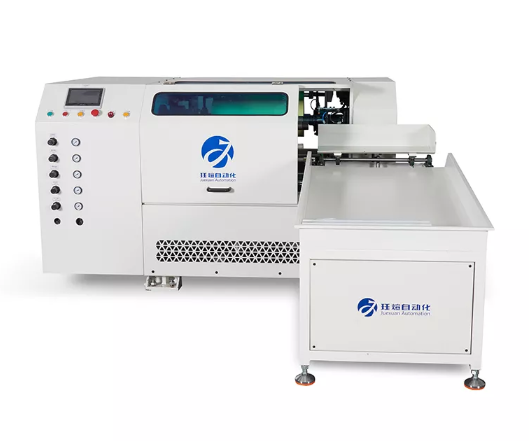
A stretch film rewinding machine rewinds large mother rolls into smaller finished rolls. These finished rolls are then used for packaging, resale, or machine wrapping. The process affects roll appearance, tension, flatness, and unwind stability.
A stretch rewinder machine may focus on rewinding only. A stretch film slitter rewinder machine can slit and rewind in one process. A stretch film slitting machine mainly controls film width and edge condition.
Rewinding tension controls how tightly the film is wound. If tension is too low, the roll may be loose or uneven. If it is too high, the roll may deform, block, or unwind poorly.
Stable tension helps the finished roll stay firm and flat. It also helps the film run more smoothly on wrapping equipment.
Clean edges reduce tearing during machine wrapping. A poor edge can become a weak point. Once the machine pulls the film, a small edge defect may turn into a full break.
This is why the stretch film slitter rewinder machine matters for finished roll quality. Good slitting supports accurate roll width and smoother machine use.
Automatic packaging lines need consistent roll diameter, core alignment, winding tightness, and edge quality. Any major variation can increase downtime.
Some operations also process cling film. In that case, a cling film rewinder or cling film rewinding machine may be used for thinner household or food-related films. For coreless formats, a coreless stretch film rewinder can help reduce paper core waste and support lighter finished roll handling.
Tip:For fast packaging lines, ask for sample rolls and test them on your own machine before bulk purchase.
Warehouses use machine grade stretch film for mixed cartons, inventory movement, and outbound pallets. It helps workers move products faster while keeping loads together.
It is also useful where many pallets are wrapped each day. The roll lasts longer, and the machine applies film more evenly than manual wrapping.
Factories use machine stretch wrap for machinery parts, consumer goods, building materials, bottles, cartons, and other finished products. Export packaging often needs better load stability because goods face longer handling and transport.
Machine wrapping can improve packing repeatability. It also gives pallets a cleaner and more professional appearance.
Heavy products, uneven stacks, drums, and sharp carton corners need stronger film. In these cases, puncture resistance and tension control become more important than simple film thickness.
If the load has many edges, users may need stronger industrial stretch film or corner protection. This helps prevent film damage during wrapping and shipping.
High-volume lines need speed, repeatability, and fewer stops. Machine grade stretch film supports these needs when the roll quality and film grade match the equipment.
A stable roll reduces interruptions. A suitable film reduces waste. Together, they help production teams keep packaging work predictable.
Machine grade stretch film is made for machines, not hand use. It must stretch well and unwind smoothly. Roll quality also affects performance. Guangdong Juexuan Automation Equipment Co.,Ltd. provides stretch film rewinding and slitting solutions that support stable rolls, clean edges, and efficient converting. The right equipment helps improve film quality and packaging value.
A: It is stretch film made for automatic or semi-automatic pallet wrapping machines.
A: A stretch film rewinding machine helps create stable rolls for smoother unwind.
A: Not always. Compare cost per pallet, not only roll price.
A: A stretch film rewinding machine can improve roll tension and edge stability.
A: Match machine stretch film gauge to load weight and sharp edges.
A: It is better for speed, consistency, and repeated pallet wrapping.


