
Views: 0 Author: Site Editor Publish Time: 2026-02-26 Origin: Site


The packaging industry operates on tight margins where every efficiency gain matters. If your facility still processes stretch film using traditional core-based methods, you may be leaving significant value on the table. Coreless slitting technology is transforming how manufacturers approach stretch film production, delivering measurable improvements in material costs, operational efficiency, and environmental impact.
This shift isn't about following trends—it's about responding to real pressures facing packaging operations today. Rising material costs, labor shortages, and sustainability mandates are pushing manufacturers to reconsider their equipment investments. For many, the answer lies in adopting stretch film coreless slitters that eliminate waste while boosting throughput.
Traditional stretch film processing winds finished rolls around cardboard or plastic cores. These cores add weight, consume storage space, and create disposal costs. Coreless slitting removes this step entirely, producing rolls that maintain structural integrity without central support.
The technology works through precision tension control and specialized winding mechanisms. As the film feeds through the slitter, it's wound tightly enough to create a self-supporting roll. Advanced servo motors maintain consistent tension throughout the winding process, preventing the telescoping or collapsing that plagued early coreless attempts.
Modern stretch film coreless slitting machines incorporate sensors that monitor roll diameter, tension, and film characteristics in real time. These systems adjust parameters automatically, ensuring each roll meets specifications regardless of film thickness or material composition.
Cardboard cores represent a recurring expense that many operations accept as unavoidable. A single core might cost only pennies, but multiply that across thousands of rolls annually and the numbers become substantial. Coreless production eliminates this line item entirely.
Beyond purchase costs, cores create hidden expenses throughout your supply chain. They require storage space before use and disposal arrangements afterward. Transportation costs increase because cores add weight to every shipment—weight you're paying to move despite adding zero value to the end product.
A China stretch film coreless slitter manufacturer can produce approximately 3 tons of film daily. When you eliminate cores from that volume, the savings compound quickly. Operations typically see material cost reductions of 2-5% simply by removing cores from the equation.
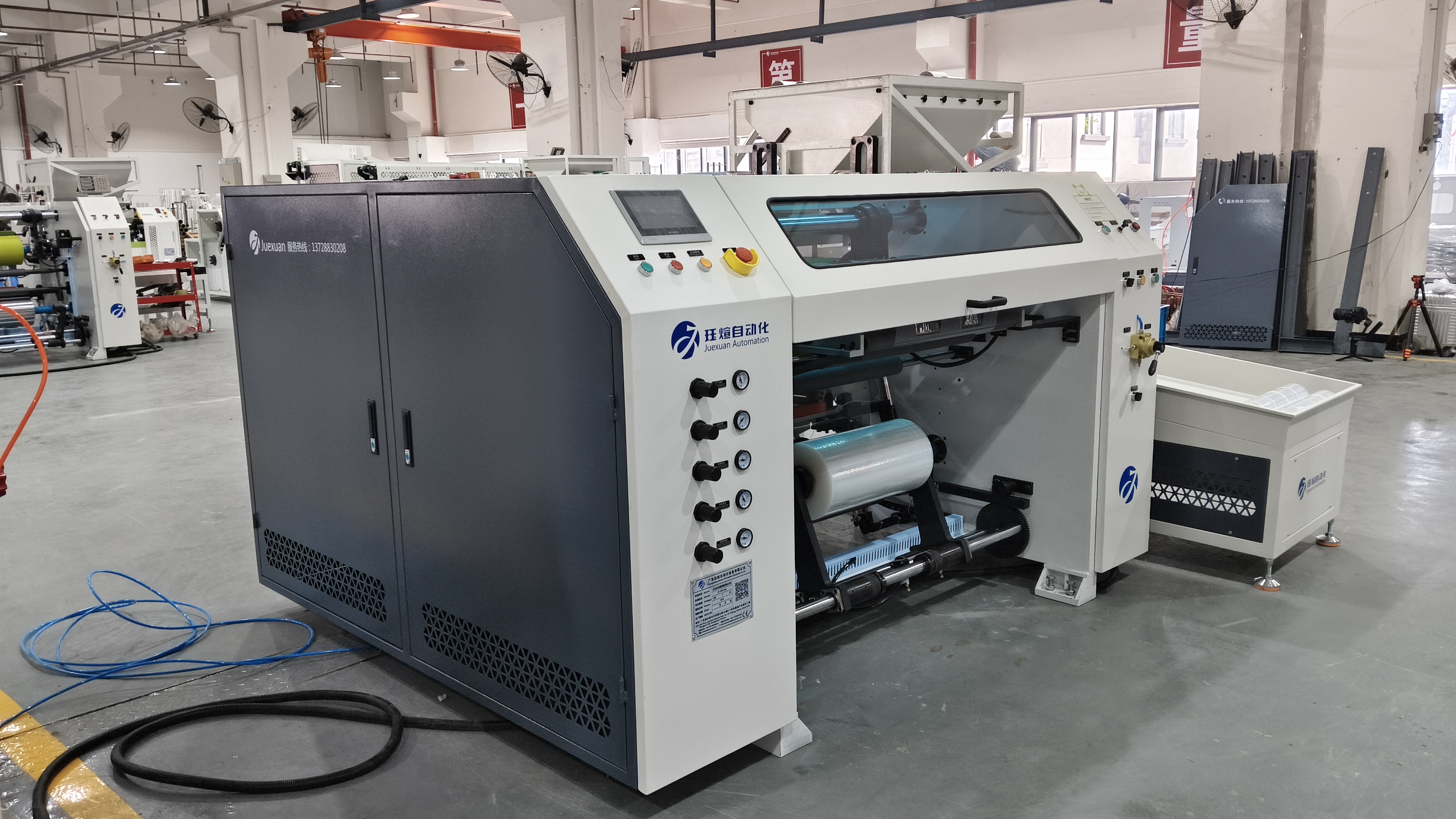
Loading cores onto rewinding shafts takes time. Removing finished rolls and disposing of used cores takes more time. These tasks seem minor individually, but they accumulate across shifts. Coreless slitters reduce non-productive activities, allowing operators to focus on value-adding work.
Fully automatic stretch film coreless slitting machines handle roll changes without operator intervention. When a roll reaches target diameter, the system initiates a new winding position while the previous roll completes. This continuous operation maintains consistent throughput even during changeovers.
The reduction in manual handling also improves workplace safety. Operators no longer need to lift, position, or secure cores—activities that contribute to repetitive strain injuries. Fewer manual tasks mean reduced injury risk and lower associated costs.
Cores consume volume disproportionate to their function. A pallet of empty cores occupies significant floor space while adding no value until used. Once filled, cored rolls require more cubic footage than coreless alternatives of identical film volume.
This space difference matters throughout your facility. Production floors gain flexibility when core storage areas become available for other uses. Warehouses can store more finished goods in the same footprint. Shipping containers and trucks carry more product per load when you eliminate the void space cores create.
For operations facing capacity constraints, space efficiency can delay or eliminate the need for facility expansion. The capital saved by optimizing existing space often exceeds the investment in coreless slitting equipment.
Packaging companies face increasing pressure to demonstrate environmental responsibility. Customer requests for sustainability data are becoming standard. Regulatory requirements around waste and recyclability continue to expand.
Coreless production directly addresses these pressures. Every eliminated core is waste you don't generate, transport, or dispose of. For high-volume operations, this translates to tons of cardboard diverted from landfills annually.
The environmental impact extends beyond direct waste reduction. Transportation efficiency improves when shipments contain less non-product weight. Customers using your stretch film generate less waste at their facilities. These downstream benefits strengthen your value proposition when competing for environmentally conscious accounts.
Cores introduce variables that affect roll quality. Core dimensions vary slightly between suppliers and batches. Temperature and humidity cause cores to expand or contract. These inconsistencies translate to variations in finished roll characteristics.
Coreless winding removes these variables. Each roll's properties depend solely on the film and the winding process—factors you control directly. This consistency makes quality assurance simpler and reduces rejection rates.
The absence of cores also eliminates defects related to core attachment. Film that telescopes off the core edge or shows impressions from core irregularities becomes a non-issue. Your quality metrics improve while your rework decreases.
Not all coreless slitters deliver equivalent performance. Equipment quality varies significantly between manufacturers. When evaluating options, prioritize these characteristics:
Tension control precision: Look for servo-driven systems that adjust tension dynamically based on real-time measurements. Consistent tension throughout the winding process determines whether rolls maintain integrity.
Speed capabilities: Production capacity matters, but maximum speed means little if quality suffers. Evaluate real-world operating speeds that maintain your specifications, not theoretical maximums.
Film compatibility: Different films behave differently during winding. Ensure your chosen equipment handles your specific materials—LLDPE, CPP, CPE, PE, or POF—at your required thicknesses and widths.
Automation level: Fully automatic systems minimize labor requirements but command premium prices. Semi-automatic alternatives require more operator involvement but cost less initially. Balance your labor costs against equipment investment to determine the right automation level.
Service and support: Complex machinery requires maintenance and occasional troubleshooting. Confirm your supplier provides responsive technical support and maintains parts inventory.
Transitioning to coreless production requires planning beyond equipment purchase. Your downstream processes may need adjustment. Customers might need education about handling coreless rolls. These factors don't prevent adoption—they simply require attention.
Start by evaluating which products benefit most from coreless conversion. High-volume items with simple specifications make ideal candidates for initial implementation. Success with these products builds confidence for broader adoption.
Customer communication matters. Some users have preconceptions about coreless film based on outdated experiences with early technology. Providing samples and usage instructions smooths the transition and prevents resistance.
Training your operators thoroughly ensures they understand the equipment's capabilities and limitations. Coreless slitters operate differently than core-based systems. Operators accustomed to traditional equipment need time to develop new skills and confidence.
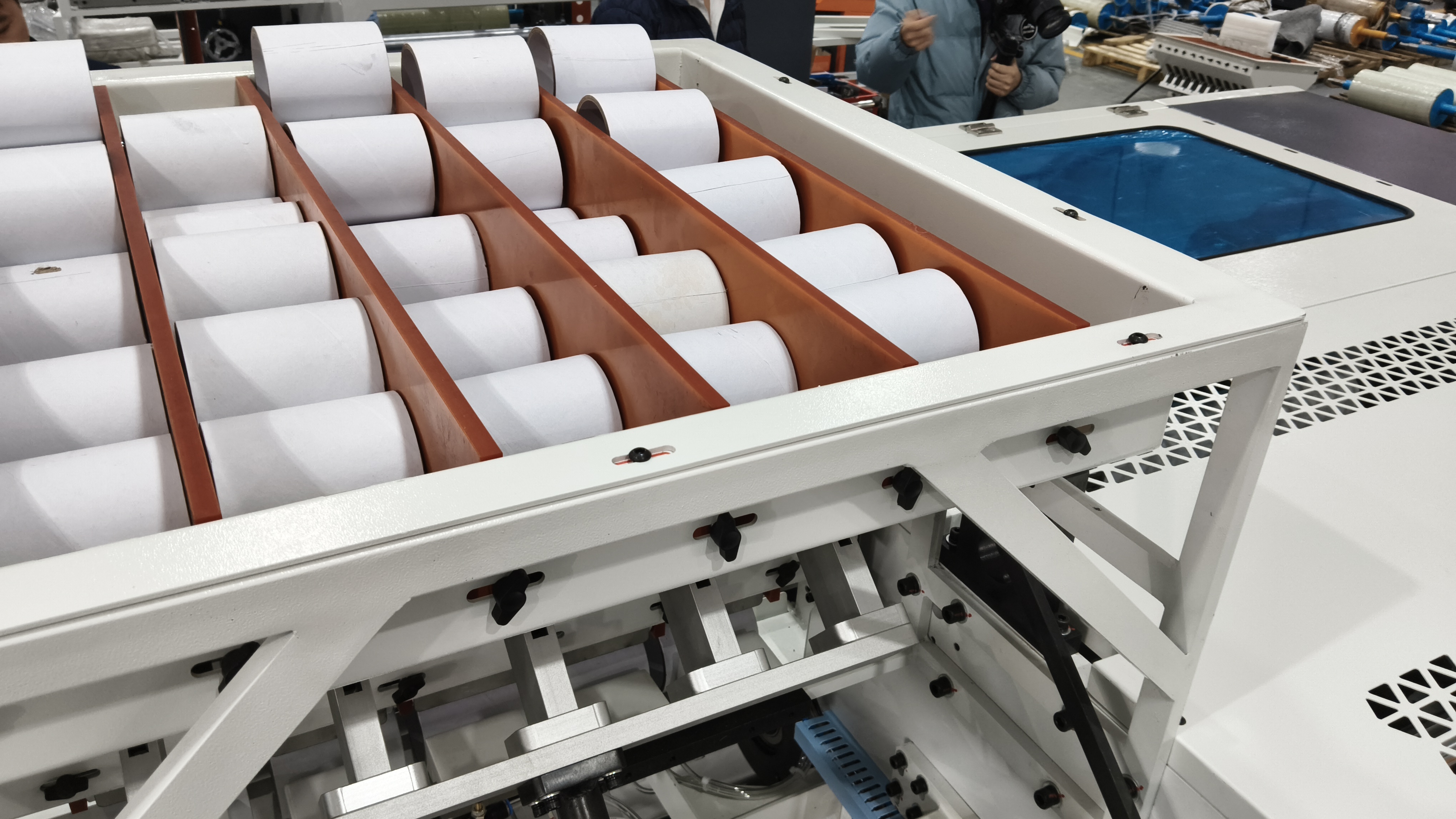
Equipment investments require justification. Building a compelling case for coreless slitters means quantifying benefits across multiple dimensions:
Calculate direct material savings by multiplying your annual roll count by core cost. Include disposal fees if applicable. This number alone often justifies investment within 2-3 years.
Estimate labor savings from reduced handling. Time studies showing minutes per shift add up across an annual production schedule. Multiply recovered time by your fully loaded labor rate to determine value.
Quantify space savings using current storage costs per square foot. Calculate how much additional capacity you gain by eliminating core storage and reducing finished goods volume.
Factor in quality improvements through reduced waste and rework. Even small decreases in rejection rates produce measurable savings at production volumes.
Include environmental benefits if sustainability goals carry internal value or customer weight. Carbon reduction calculations strengthen proposals when leadership prioritizes environmental metrics.
Markets reward efficiency. Operations that control costs more effectively can price more competitively or maintain healthier margins. Coreless slitting technology provides both direct cost advantages and differentiation opportunities.
As sustainability becomes a purchasing criterion, your ability to offer lower-waste products creates competitive advantage. Some customers will pay premium prices for environmentally superior alternatives. Others won't pay more but will shift volume to suppliers who demonstrate environmental responsibility.
The operational flexibility coreless equipment provides also matters. Shorter changeover times and reduced material constraints let you respond faster to customer needs. This agility translates to better service levels and stronger customer relationships.
The benefits are clear, but applicability varies by situation. High-volume operations see faster payback because savings scale with production. Facilities facing space constraints gain disproportionate value from volume reduction. Operations targeting sustainability-conscious markets leverage the environmental benefits strategically.
Conversely, very low-volume operations might not justify the investment through direct savings alone. Applications requiring specific core dimensions for customer equipment compatibility may not suit coreless conversion. These scenarios don't make the technology wrong—just less applicable to particular circumstances.
The question isn't whether coreless slitting offers advantages. The evidence on that point is conclusive. The relevant question is whether those advantages align with your operational priorities and customer requirements.
Packaging operations succeed by controlling costs while maintaining quality and service. Stretch film coreless slitters deliver on all three dimensions. They reduce material expenses, improve consistency, and create operational flexibility that strengthens customer relationships.
The technology has matured beyond early adoption risks. Thousands of manufacturers worldwide have successfully implemented coreless production. The learning curve has been climbed, the pitfalls identified, and the best practices established.
If efficiency matters to your operation—and it should—coreless slitting deserves serious evaluation. The capital investment pays back through multiple channels while positioning your facility for evolving market demands.
Ready to explore how coreless technology fits your operation? Contact Juexuan Automation to discuss your specific requirements. Our team can assess your current processes and recommend equipment configurations that optimize your production efficiency.


